
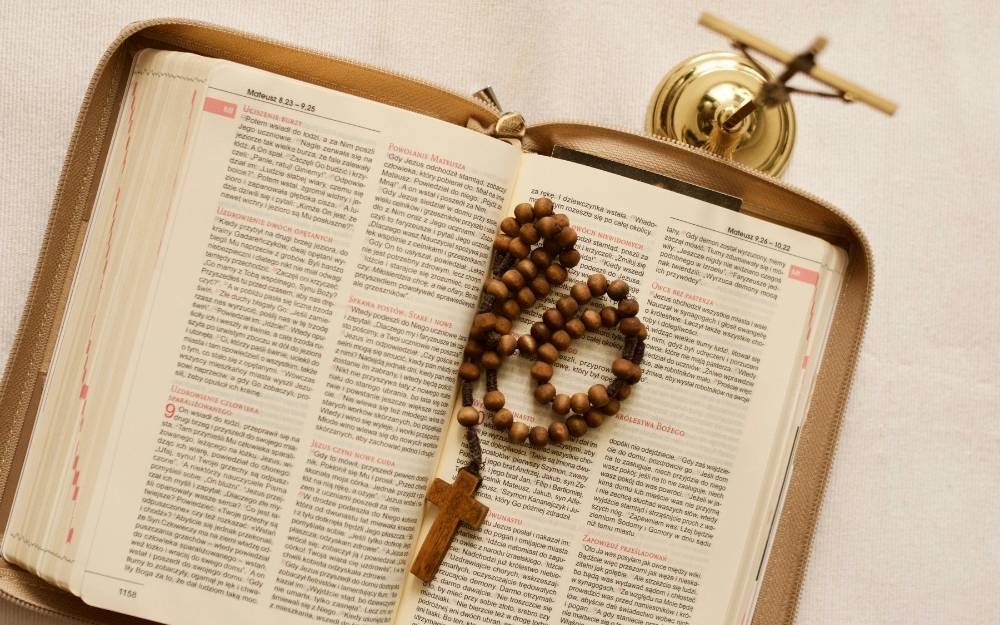
The timeless appeal of holding history in your hands
There is something quite extraordinary about the weight of a book that has survived several centuries. When you hold a volume that was printed in the 1600s or 1700s, you aren’t just holding a collection of pages; you are holding a witness to history. For many collectors and historians, the search for old bibles for sale is driven by a desire to connect with the past in a way that digital screens or modern paperbacks simply cannot replicate. These books have sat on the shelves of country manors, been carried across oceans by settlers, and served as the central record for family births, marriages, and deaths for generations.
The smell of aged leather, the texture of handmade rag paper, and the intricate woodcut illustrations all contribute to a sensory experience that defines the hobby of antiquarian book collecting. It is not merely about the religious text itself, which remains a cornerstone of Western literature, but about the craftsmanship that went into producing these works during an era when printing was a laborious and highly skilled trade. People often find themselves drawn to these items because they represent a physical link to their ancestors and the cultural shifts that have shaped the modern world.

What to look for when you start your search
If you are beginning to look into the world of antiquarian books, you might feel a bit overwhelmed by the variety of editions available. Knowing what to look for when browsing old bibles for sale can help you distinguish between a common reprint and a truly significant historical artefact. Value and interest are often determined by a combination of factors that go beyond just the age of the book.
When evaluating a potential addition to your library, consider the following elements:
- The Translation: Is it a King James Version, a Geneva Bible, or perhaps a rare Wycliffe or Tyndale leaf? The translation often dictates the historical context of the book.
- The Binding: Original leather bindings are highly prized. Look for decorative toolings, gold leaf lettering, and the presence of original metal clasps which were often used to keep the heavy parchment or paper from warping.
- Completeness: Many old bibles are missing their title pages or maps. A complete copy with all its original engravings is significantly more sought after by serious collectors.
- Provenance: Any evidence of previous ownership, such as bookplates or handwritten notes in the margins, can add a layer of personal history to the volume.
The significance of different historical editions
The history of the English Bible is fraught with drama, and the different editions reflect the turbulent times in which they were produced. For example, the Geneva Bible, first published in 1560, was the preferred translation of the Puritans and was famously the version carried by the Pilgrims to America. It was the first to use verses and was known for its extensive (and sometimes controversial) marginal notes. Finding one of these old bibles for sale is like finding a piece of the foundation of the English-speaking world.
On the other hand, the 1611 King James Bible represents a pinnacle of English prose. While a first edition ‘He’ bible (named for a specific typographical error in Ruth 3:15) is exceptionally rare and expensive, later 17th-century printings are still highly collectible. Collectors also look for ‘Breeches Bibles’, where Genesis 3:7 describes Adam and Eve making ‘breeches’ instead of aprons, or the infamous ‘Wicked Bible’ where a printer’s error accidentally omitted the word ‘not’ from one of the commandments. These quirks and errors make the hunt for specific printings an exciting endeavour for those who appreciate the quirks of historical printing houses.
Understanding the condition and preservation
Condition is a subjective but vital part of the collecting process. While some people prefer a book that looks ‘mint’, many collectors of old bibles for sale appreciate a bit of character. A worn cover or slightly yellowed pages can tell a story of use and devotion. However, there is a fine line between ‘charming wear’ and ‘irreversible damage’. You should be wary of ‘red rot’, which is a chemical degradation of the leather that turns it into a fine red powder, or significant water damage that has caused mould growth.
Properly storing your finds is essential to ensure they last another few hundred years. This involves keeping them away from direct sunlight, maintaining a stable temperature, and avoiding damp environments. Many collectors choose to have their most precious volumes housed in custom-made slipcases to protect the delicate spines from dust and light exposure. If you find a book with a damaged binding, you might consider having it professionally restored by a specialist bookbinder who uses traditional methods and materials to maintain the integrity of the piece.
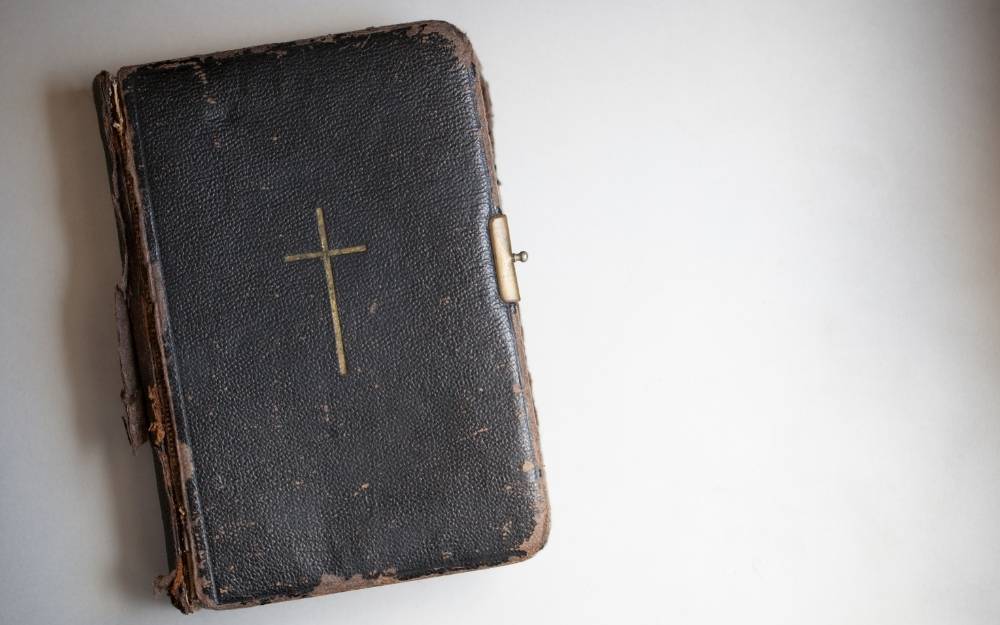
Where to find authentic historical copies
Finding a reputable source is perhaps the most important step for any collector. While you might occasionally stumble across a hidden gem in a dusty corner of a local charity shop or at a rural estate auction, these occurrences are becoming increasingly rare. Most serious enthusiasts turn to specialised dealers who have the expertise to authenticate and accurately describe the condition of the books they offer. A professional dealer can provide a guarantee of authenticity that you simply won’t get from a random online marketplace listing.
When you browse a curated selection of old bibles for sale, you are also paying for the dealer’s knowledge. They can tell you about the specific printer, the rarity of the woodcuts, and whether the binding is contemporary to the printing or a later Victorian replacement. Building a relationship with a trusted bookseller can help you find specific items that you’ve been searching for, as they often have networks that allow them to source rare volumes before they even hit the general market.
The joy of the marginalia and family records
One of the most touching aspects of collecting these ancient texts is discovering the ‘marginalia’—the notes, prayers, and records left behind by previous owners. It was common practice for families to use the blank pages between the Old and New Testaments to record their family trees. In an era before centralised government records, the family bible was the legal and spiritual record of a lineage.
Reading a hand-written entry from 1742 about the birth of a child, or seeing a pressed flower left between the pages of the Psalms, creates a profound sense of continuity. It reminds us that these books were lived with and loved. They weren’t just decorative objects; they were central to the daily lives of the people who owned them. This human element is often what turns a casual interest in history into a lifelong passion for collecting. Whether you are looking for a massive pulpit bible to display or a small pocket edition that a soldier might have carried, the connection to human experience remains the same.
As you curate your own collection, you become the next steward of these stories. You aren’t just a buyer; you are a guardian of a piece of history that has survived through centuries of change. The process of searching for and eventually acquiring a piece that resonates with you is a journey that requires patience, a bit of research, and a keen eye for detail. Each new acquisition brings with it a fresh opportunity to learn about the people, the technology, and the faith of a bygone era.

Jane has worked with world-renowned plastic surgeons and dermatologists in the development of her line and lectures all over the world on its benefits.