

The frustration of starting a website from zero
Anyone who has ever tried to launch a new website knows the feeling of shouting into a void. You spend weeks researching a niche, months crafting the perfect articles, and a small fortune on a beautiful design, only to find that search engines treat your site like it does not exist. This is often referred to as the sandbox effect, a period where Google and other search engines hesitate to trust a new domain, regardless of how high the quality of the content might be. It is a frustrating barrier to entry that can lead many promising projects to be abandoned before they ever get a chance to shine.
This is precisely why experienced digital entrepreneurs and SEO professionals have shifted their strategy. Instead of registering a brand-new name and waiting for the trust to build naturally, they are investing in premium aged domains. By acquiring a domain that already has a history, a backlink profile, and established authority, you are essentially buying a head start that can save you years of effort and thousands of pounds in marketing spend.
What makes a domain truly premium and why age matters
It is important to understand that not every old domain is a good investment. A domain that has been sitting parked for ten years with no content or links is just an old name; it does not carry the weight needed to influence search rankings. When we talk about high-quality assets, we are looking for a combination of age, authority, and a clean history. A domain becomes premium when it has spent years earning the respect of search engines through legitimate activity and high-quality citations from other reputable websites.
The age of a domain acts as a signal of stability. In an internet landscape where millions of spam sites are created and deleted every single day, a domain that has existed for a decade or more is seen as a survivor. However, the real magic lies in the backlink profile. These are the digital ‘votes of confidence’ from other websites. A premium asset will often have links from major news outlets, educational institutions, or industry leaders that would be nearly impossible for a new site to acquire quickly.
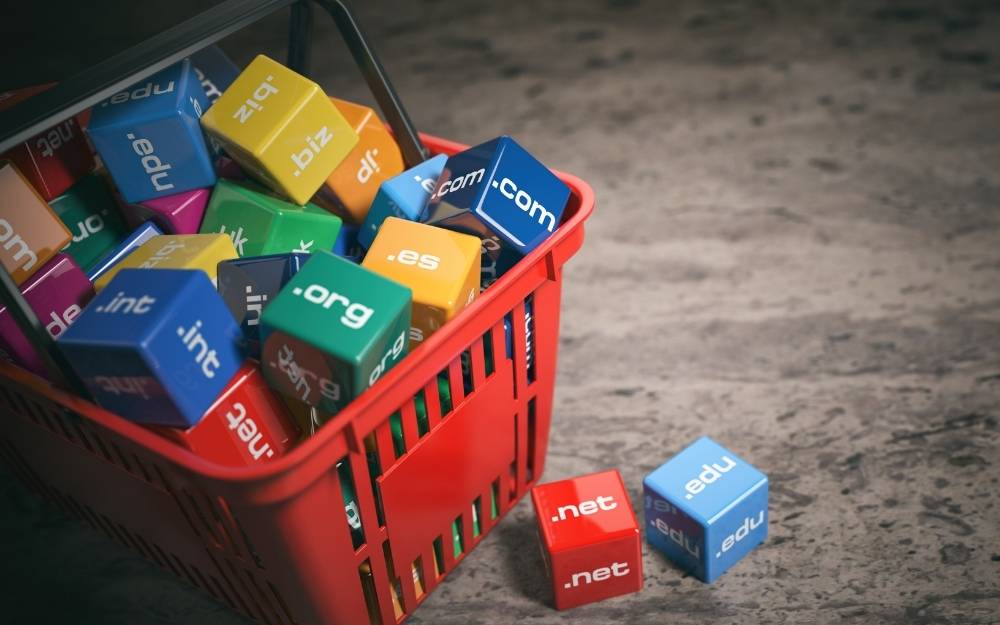
The core components of a high-value domain
- Established Backlink Profile: Links from high-authority sources that provide a foundation of trust.
- Domain Authority: A metric that suggests how well a site will rank based on its historical performance.
- Clean History: A past free from spam, manual penalties, or dodgy content that could hinder future growth.
- Niche Relevance: A history of being involved in a specific industry, which helps search engines categorise the site faster.
- Brandability: A name that is easy to remember, spell, and turn into a recognisable brand.
How premium aged domains help you bypass the sandbox
The primary advantage of using an established domain is the ability to bypass the initial period of invisibility. When you launch content on a fresh domain, search engines have to discover the site, crawl it, and then decide if it is trustworthy enough to show to users. This process is slow because the site has no reputation. It is like trying to get a bank loan with no credit history; the bank has no reason to believe you will pay them back.
When you utilise a premium asset, you are stepping into an existing reputation. Because the domain is already indexed and has existing links pointing to it, search engines are much more likely to crawl your new content immediately and rank it higher in the results. Instead of waiting six to twelve months to see any meaningful traffic, many site owners find that they can start ranking for competitive keywords in a matter of weeks. This accelerated growth allows you to monetise your project much sooner, providing a faster return on your initial investment.
Evaluating the quality of an aged asset before purchase
While the benefits are clear, the process of choosing the right domain requires a level of due diligence. You cannot simply look at the age and assume it is a winner. You must dive into the data to ensure the domain has not been used for nefarious purposes in the past. If a domain was previously used to host spam or was part of a low-quality link network, it could actually be a liability rather than an asset.
The first step is always to check the historical snapshots of the website. Using tools like the Wayback Machine, you can see what the site looked like five or ten years ago. You want to see a consistent history of legitimate content. If you see a sudden shift where the site started hosting thousands of pages about pharmaceutical products or gambling, that is a major red flag. Similarly, you should analyse the backlink profile to ensure the links are coming from genuine websites and not from automated link-building software.
Key metrics to scrutinise during your research
- Referring Domains: Look for a diverse range of unique websites linking to the domain.
- Anchor Text Diversity: Ensure the words used in the links are natural and not over-optimised for specific keywords.
- Topical Trust: Check if the previous content aligns with your intended niche to maximise the SEO benefit.
- Traffic History: See if the domain has a history of receiving actual visitors, which is a strong sign of health.
The practical steps for building on your new domain
Once you have secured a high-quality domain, the way you transition it into your new project is crucial. You should not simply delete everything and start fresh without a plan. To preserve the existing authority, it is best to identify which pages on the old site had the most powerful links and ensure those URLs are redirected to relevant new content. This process, known as 301 redirecting, tells search engines that the value of the old page has moved to a new location.
Furthermore, you should aim to keep the new content somewhat related to the domain’s previous life, at least initially. If the domain was originally about home gardening and you suddenly turn it into a site about cryptocurrency, search engines might become confused, and you could lose some of the inherent trust. By maintaining a level of topical relevance, you ensure that the existing backlink profile continues to provide maximum value to your new articles. This strategic approach allows you to build a powerful digital asset that stands the test of time while enjoying the immediate benefits of an established reputation.
Why niche relevance is becoming the ultimate ranking factor
In the modern era of search engine algorithms, relevance is king. It is no longer enough to just have a lot of links; those links need to make sense in the context of your content. This is where premium aged domains that have a specific historical focus become incredibly valuable. If you are launching a fitness brand, finding a domain that was previously a local gym’s website or a health blog provides a level of topical authority that a generic domain simply cannot match.
Search engines are increasingly sophisticated at understanding the relationship between different topics. When they see that a site has been trusted in the health and wellness space for a decade, they are much more likely to rank new health-related content from that same domain. This ‘topical seed’ allows your new content to be categorised correctly from day one, ensuring that you are reaching the right audience without having to spend months convincing the algorithm of your expertise. Investing in an asset that aligns with your goals is one of the most effective ways to ensure long-term success in an increasingly competitive digital marketplace.

Jane has worked with world-renowned plastic surgeons and dermatologists in the development of her line and lectures all over the world on its benefits.